


dotdotdot Fantasy AI Boyfriend
4.1199.00 Reviews
App Specs
- Version
- 1.0.34
- Updated On
- License
- Free
- Downloads
- 100,000+
- Developer
- Dotdotdot Inc.
- Categories
- Entertainment
- Platform
- Android
Screenshots

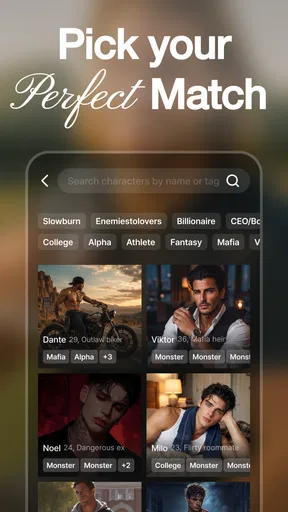
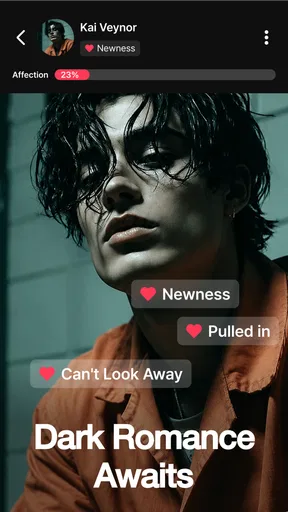
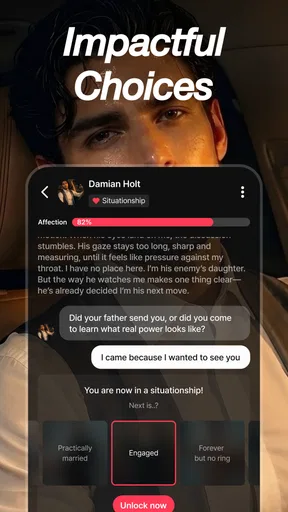
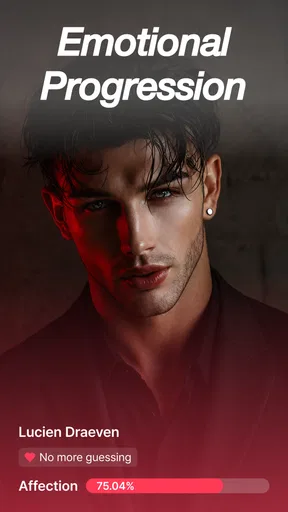
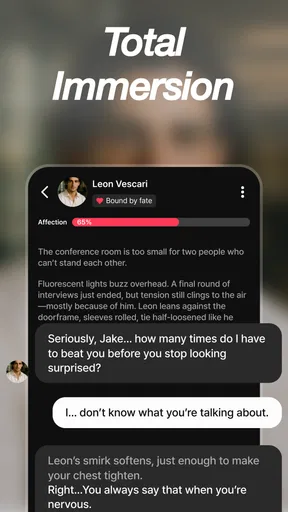
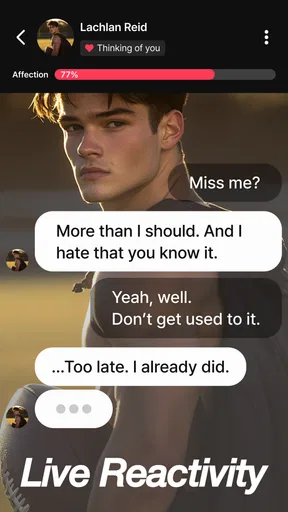
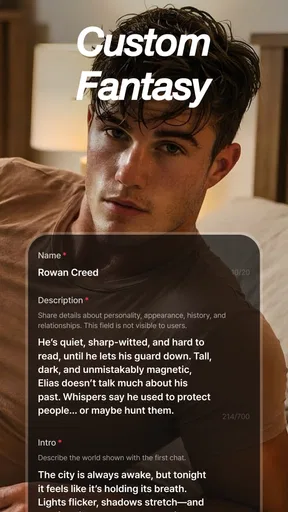
 Analysis by AppCompare
I approached dotdotdot Fantasy AI Boyfriend as an entertainment app for people who want an ongoing, conversational story rather than a conventional game with levels, scores, or a fixed ending. Its central idea is simple: you chat with an AI character and help shape what happens next. That sounds familiar, but the experience depends heavily on how much effort you are willing to put into the conversation. If you enjoy writing prompts, exploring moods, and steering fictional relationships, it can become a surprisingly absorbing pastime. If you want a polished story that moves forward without much input, it may feel less satisfying.
The app comes from Dotdotdot Inc. and sits in the entertainment category. It is free to install, carries a Mature 17+ rating, and was released on April 3, 2025. The Android listing shows more than one hundred thousand installs, a 4.1 average from roughly one thousand three hundred ratings, and one hundred ninety-nine written reviews. Those figures suggest that it has found an audience, although they do not tell me whether every user enjoys the same style of interaction. In practice, this is the kind of app where personal expectations matter more than a store score.
How the free experience creates value
The clearest cost advantage is the free entry point. I can understand the appeal immediately: there is no need to commit money before discovering whether AI-driven romantic storytelling suits me. That matters because this format is more personal and unpredictable than watching a show or reading a novel. A free start lets you test the tone, the pacing, and your own willingness to keep a conversation going.
There are in-app purchases ranging from $0.99 to $99.99 per item. I would treat that range as a reason to explore the free experience carefully before spending. The presence of purchases does not, by itself, tell me how much content is available without paying or what each item unlocks. For that reason, I would judge paid value only after seeing how often the app interrupts the experience, what the purchase actually changes, and whether it improves the kind of story I want to create.
This distinction is important with an AI companion app. A purchase may feel worthwhile to someone who returns daily and treats the conversation as a creative hobby, while another person may see the same expense as unnecessary because a short, occasional chat is enough. I would not buy the highest-priced option simply because it is available. I would first establish a routine with the free access, then decide whether the additional spending solves a problem I actually have.
The value is strongest when I use the app as a writing prompt with a responsive partner. Instead of staring at a blank page, I can introduce a character, set a scene, or create a small conflict and see how the conversation develops. That makes it useful during a quiet evening, on a commute, or whenever I want light creative play without preparing a full game session. It is less valuable if I expect a finished romance with carefully edited dialogue and guaranteed continuity.
What the chat format does well
The main strength is participation. I am not just consuming a story; I am deciding what kind of story it becomes. A straightforward message can produce a different direction from a detailed one, and that gives the experience a personal quality that ordinary entertainment apps do not offer. I can be playful, dramatic, cautious, or deliberately strange, and the conversation can follow that choice.
Worth Reading Before You Choose

Flipboard Shows What News Apps Must Do Beyond the Feed

Switching to Android Auto Means Rethinking Your Driving Routine

Google Calendar Makes a Crowded Week Easier to Manage

Ludo King Makes the Most of the Minutes Between Plans

Baby Panda World Brings Quick Play to Modern Phones, but Its Game Library Feels Busy

ESPN’s Live Game View Makes Following Close Games Easier
One practical technique is to establish the scene before asking for emotional interaction. I get more useful results when I explain where the characters are, what has just happened, and what mood I want, rather than sending a vague request such as “tell me something romantic.” A short setup gives the AI more to work with and reduces the chance that the exchange feels generic.
I also recommend treating each conversation as collaborative improvisation rather than a test of whether the character is “real.” That mindset makes inconsistencies easier to handle. If the reply takes an unexpected turn, I can correct it in the next message and continue. The app works best when I actively direct the scene instead of waiting for it to entertain me automatically.
Another useful workflow is to alternate between action and reflection. I might describe what my character does, then ask the AI character how the moment changes the relationship. This creates more variety than sending only questions. It also helps prevent the conversation from becoming a repetitive sequence of compliments or short replies.
A realistic everyday use case
Imagine finishing work with half an hour before dinner. I do not want to start a large game, watch an entire episode, or open a complicated writing program. I can open the app and continue a fictional situation from the previous evening: perhaps the characters are deciding whether to trust each other after an argument. I can write a few lines, ask for a reaction, and guide the exchange toward reconciliation, suspense, or humor.
That scenario shows both the appeal and the responsibility involved. The app supplies a conversational starting point, but I supply much of the creative direction. If I arrive tired and expect the app to carry the entire scene, the interaction may feel thin. If I am willing to add context and make choices, the same short session can feel more engaging.
For me, this makes it closer to an interactive imagination tool than a replacement for a traditional dating simulator. The entertainment comes from shaping the exchange, not from completing a defined route. Someone who enjoys role-play, character writing, or improvisation will probably understand the appeal quickly.
Where it differs from ordinary alternatives
A television romance gives me consistent pacing, professional performances, and a story that has already been edited into a finished form. A novel offers even more control over language and structure. A conventional romance game usually provides clear choices, designed character arcs, and predictable rules. This app offers something different: open-ended conversation that responds to what I write.
That flexibility is its advantage, but also its weakness. A scripted game can deliver a strong dramatic payoff because its creators control every branch. An AI chat can feel more personal, yet it may wander, repeat itself, or require me to repair the direction. I would choose this app over a fixed story when I want to improvise. I would choose a novel or story-focused game when I want polished narrative control.
It also differs from general-purpose chatbot use because the framing is romantic and fantastical. That focus can make it easier to begin, especially if I do not want to design an entire fictional world from scratch. At the same time, the narrower theme means it is not the best choice for someone seeking broad research help, productivity assistance, or a neutral conversation partner.
Tradeoffs that matter before spending
The Mature 17+ rating is not a minor label to ignore. I would only recommend the app to an adult who is comfortable with mature romantic themes and understands that an AI-driven conversation may not behave like carefully moderated human-written fiction. It is also not something I would hand to a child or treat as a general family entertainment app.
The open-ended nature creates a second tradeoff: control versus consistency. I can guide the story in unusual directions, but I may need to restate details when the conversation drifts. A useful habit is to keep important character facts brief and repeat them when necessary. For example, I might remind the chat of a character’s goal or the emotional state of the scene before introducing a major decision.
That extra steering is not necessarily a flaw, but it changes the time commitment. The app is not completely passive entertainment. It rewards users who notice when a scene is losing focus and are willing to redirect it. If I only want to tap through dialogue, a structured interactive story will probably be more comfortable.
There is also a difference between emotional immersion and emotional expectation. The conversational format can feel personal because it responds directly to me, but I should still view it as fictional entertainment. I would avoid using it as a substitute for real relationships, professional support, or serious advice. Its value is in imaginative interaction, not in solving personal problems.
Paid value requires similar discipline. Since purchases can reach a high amount per item, I would read each purchase screen closely and consider whether the benefit affects my actual use. Someone who chats briefly once a week may not gain much from spending. Someone who returns often, builds longer fictional arcs, and wants a more sustained experience may see more reason to pay, provided the offered item matches that goal.
The current Android version is 1.0.34 and requires Android 7.0 or later. That makes the app accessible to people using older supported Android devices, although the quality of any AI chat experience can still depend on practical factors such as connection stability and how comfortably the device handles the app. I would keep expectations realistic on an older phone and avoid judging the storytelling solely by a single short exchange.
Tips for getting better conversations
- Start with a compact premise. Give the setting, the relationship, and the immediate tension in a few sentences. This is more effective than asking for an entire story at once.
- Use deliberate choices. Tell the character what your person does, not only what your person feels. Actions create situations the chat can respond to.
- Correct drift early. If the tone or facts change, restate the important detail immediately instead of allowing several messages to build on the mistake.
- Save spending for a proven habit. Use the free access long enough to learn whether you enjoy directing the story before considering an in-app purchase.
The first tip is especially important because AI chat can produce a more engaging exchange when the prompt has boundaries. I prefer giving the scene one clear problem rather than asking for endless romance. A disagreement, a secret, a journey, or a difficult choice gives the conversation somewhere to go.
The second and third tips work together. If the exchange becomes repetitive, I can introduce a concrete event or change the setting. If the character suddenly behaves in a way that conflicts with the established scene, I can correct that without abandoning the entire conversation. This makes the experience feel more like collaborative writing and less like waiting for a perfect answer.
Who is likely to get the most from it?
I would recommend it to adults who enjoy role-playing through text, experimenting with fictional relationships, or turning small prompts into longer scenes. It may also suit writers who want a low-pressure way to test dialogue or explore how a character reacts under pressure. The app is particularly appealing to people who like making choices without being restricted to a fixed menu.
It is a good fit for short creative breaks because a scene can begin with only a few lines. It can also support longer sessions if I keep track of the direction myself. The important point is that the user’s imagination remains part of the product. The more specific and engaged I am, the more likely the experience is to feel distinctive.
I would skip it if I want a conventional game loop, a complete story written by professionals, or a guaranteed romantic outcome. I would also skip it if mature content is unsuitable, if I dislike typing, or if I expect every response to preserve perfect continuity without reminders. Those are not small preferences; they directly affect whether the format feels enjoyable.
People who are cautious about recurring or impulse spending should begin with the free access and set a personal limit before exploring purchases. The app can be inexpensive as an occasional hobby, but the available purchase range means I would not approach it casually as though every upgrade were automatically good value.
My buy-or-skip verdict
My overall view is positive but specific. This is a worthwhile free experiment for adults who want an AI-powered fantasy conversation and are happy to help shape the story. Its strongest feature is not simply that it chats; it is that the chat can become a personal creative space when I provide direction, maintain continuity, and accept a little unpredictability.
I would not describe it as a universal replacement for romance games, books, or social apps. Its open format cannot promise the crafted pacing of a novel or the reliable progression of a scripted game. The Mature 17+ positioning also narrows its audience. Those limitations should be considered before spending, especially because individual purchases can range from a small amount to a much larger one.
For a friend, my advice would be straightforward: install it for the free starting experience, create one focused scenario, and see whether you enjoy steering the conversation. Do not judge it after sending only a vague greeting, and do not purchase the most expensive option before you know what role the app plays in your routine. If you find yourself returning because you want to continue a scene or explore a character, it may earn a place among your entertainment apps.
If that experiment feels like work rather than play, skip it and choose a fixed story or a traditional game instead. The best reason to use this app is the freedom to create a conversation that feels like your own. For the right adult audience, that freedom is compelling; for everyone else, the lack of a tightly authored path may outweigh it.
Pros
- Personalized chats adapt to your preferred conversation style.
- Fantasy-themed interactions offer an escape from everyday routines.
- Conversation prompts help when you are unsure what to say.
- Useful for practicing casual English or expressing emotions privately.
- Easy mobile access makes short chats convenient throughout the day.
Cons
- AI responses may become repetitive during longer conversations.
- Some features or messages may require in-app purchases or subscriptions.
- The romantic experience may feel limited compared with real relationships.
- Privacy concerns apply when sharing personal feelings with an AI service.
- Occasional misunderstandings can break immersion in fantasy scenarios.
FAQs for dotdotdot Fantasy AI Boyfriend
What is dotdotdot Fantasy AI Boyfriend?
dotdotdot Fantasy AI Boyfriend is an AI companion app centered on virtual romantic conversations and fantasy-style roleplay. After choosing or creating a character, you can chat with the boyfriend persona, explore different scenarios, and guide the relationship through your messages. The experience is designed for entertainment and storytelling, not as a replacement for real relationships or professional emotional support.
How does the AI boyfriend conversation work?
The app uses artificial intelligence to generate replies based on your messages, the selected character, and the scenario you are exploring. Conversations can feel personalized because the AI may follow the tone and details established during a chat, although responses are not always perfectly consistent. Results depend on the character settings, your prompts, and the app’s available features.
Is dotdotdot Fantasy AI Boyfriend free to download and use?
The application may be available to download without an upfront charge, but some features can require in-app purchases, subscriptions, credits, or other limits depending on the version and platform. Before starting a long conversation, check the store listing and the payment screen carefully. Prices, trial conditions, renewal rules, and included benefits can change over time.
Is dotdotdot Fantasy AI Boyfriend suitable for everyone?
Because the app focuses on romantic fantasy conversations, it may include mature themes, suggestive dialogue, or emotionally intense roleplay depending on the characters and settings available. Users should review the age rating and content information for their country before downloading. Parents should also be aware that AI companion apps are not automatically appropriate for children or younger teenagers.
Does the app protect my privacy during conversations?
You should review dotdotdot Fantasy AI Boyfriend’s privacy policy before sharing personal information. Chat messages, account details, device data, and usage information may be processed to operate, improve, or moderate the service, depending on the app’s policies. Avoid entering passwords, financial information, private addresses, or sensitive personal details, and check account deletion and data-management options before use.


